

Something makes the news every few months. Onions remembered. Lettuce was taken off the shelves. Of all things, peanut butter. And most people ask the same silent question somewhere in the middle of those headlines: will I be alright if I just cook it thoroughly?
In a nutshell, the answer is yes. Salmonella is killed by cooking. However, the word “does” in that sentence carries a lot of weight because most home cooks are working with a rougher definition of “done” than food scientists would find comfortable, and the conditions must be correct.
A bacterium called salmonella is found in both human and animal intestines. It is released through feces and spreads through contaminated food, water, or surfaces. When consumed, it can result in fever, cramping in the stomach, vomiting, and diarrhea. These symptoms usually appear eight to seventy-two hours after exposure and can persist for days. It’s unpleasant but manageable for the majority of healthy adults. It can become extremely dangerous for young children, the elderly, or anyone with compromised immune systems.
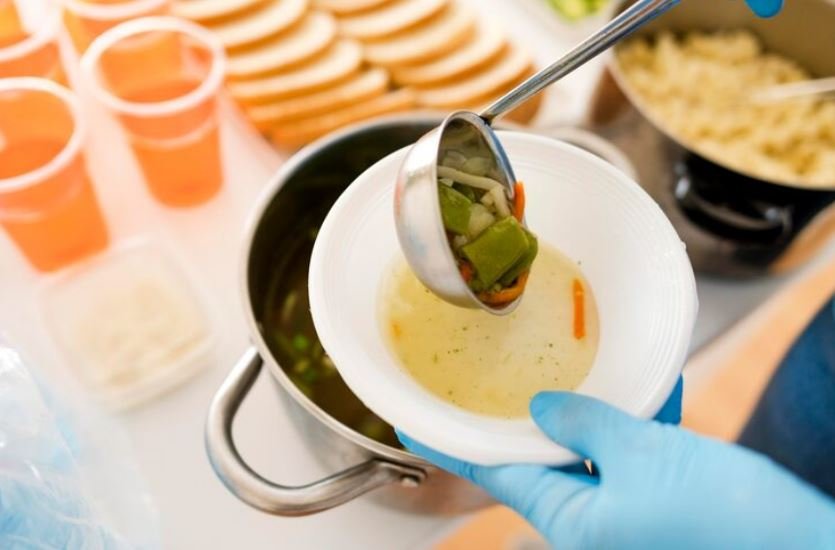
Salmonella’s dependable enemy is heat. Cooking’s reputation as a defense stems from the bacteria’s inability to withstand prolonged high temperatures. According to CDC guidelines, whole cuts of beef, pork, or lamb should reach at least 145°F (63°C) with a three-minute rest period, ground meats should reach 160°F (71°C), and poultry should reach an internal temperature of 165°F (74°C).
Salmonella is virtually instantly killed at 74°C, according to Australian food safety data, which is comforting until you consider that most people don’t use thermometers. They check the color, poke, and cut. Furthermore, color is unreliable. Meat may appear completely cooked on the outside, but the center may still be in what food microbiologists refer to as the danger zone.
It’s difficult to ignore the extent to which people’s perceived habits play a role in food safety. One area where the stakes are higher than most people realize is ground meat. Whatever bacteria was present on the outside of the meat—beef, pork, chicken, turkey, etc.—is mixed throughout when it is ground. This implies that medium-rare is no longer a viable choice. Every time, it must cook all the way through.
In this discussion, vegetables are frequently disregarded, and they most likely shouldn’t be. Salmonella is found on the exterior of vegetables like onions and carrots. The bacteria moves inward on the blade as soon as you cut into it. It’s accurate, not excessive, to handle raw produce with the same caution as raw meat.
The surprising thing is that cooking isn’t always the final step. A chicken breast can be cooked to the proper temperature and then sliced on a cutting board that still contains bacteria from previous preparation. There is no longer any heat. Once more, the surface is contaminated. The food is no longer secure. Cross-contamination is one of the more frequent ways that Salmonella finds its way onto a plate that was supposedly “cooked.”
More than most people want to acknowledge, refrigerator storage is important. Because meat can leak liquid, raw meat should be kept on the bottom shelf, not because of some arbitrary rule. The food becomes contaminated without anyone noticing if those drips fall on baby carrots or apples kept below. It’s the kind of minor detail that seems improbable until it turns out to be true.
In the grand scheme of things, cooking is an effective tool, but it operates within a system. Interactions occur between temperature, cross-contamination, storage practices, and appropriate cleaning. Even if you get one right and ignore the others, there will still be gaps. Additionally, no amount of cooking can make a food that has been officially recalled safe; it is always advised to throw it out.
The notion that heat fixes everything seems to reassure people. In most cases, it does. However, it’s not always the same.
