
A bag of frozen chicken in the freezer is where it all begins. It looks good. It smells good. Without hesitation, the dog devours it. However, there might be something in that bag that no amount of sniffing can find, and by the time you discover it, it’s too late to just put the bag back.
Northwest Naturals, a Portland, Oregon-based pet food company, voluntarily recalled two of its raw frozen chicken products at the end of August 2026 after FDA testing revealed the presence of Listeria monocytogenes and Salmonella.
Nearly 2,000 pounds of merchandise were removed from store shelves across the country, including 19 cases of a 6-pound raw dog diet and 53 cases of a 2-pound frozen chicken recipe. Both lots were dispersed widely. While it is noteworthy that no illnesses had been reported at the time of the recall, this does not completely allay concerns.
There were other recalls circulating concurrently with this one. Following reports of dogs becoming ill, Oma’s Pride recalled its Woof Complete Canine Chicken Recipe earlier in August. The fact that the recall was prompted by a customer complaint rather than proactive testing raises some concerns about how frequently contamination is detected in this sector and how frequently it is not.
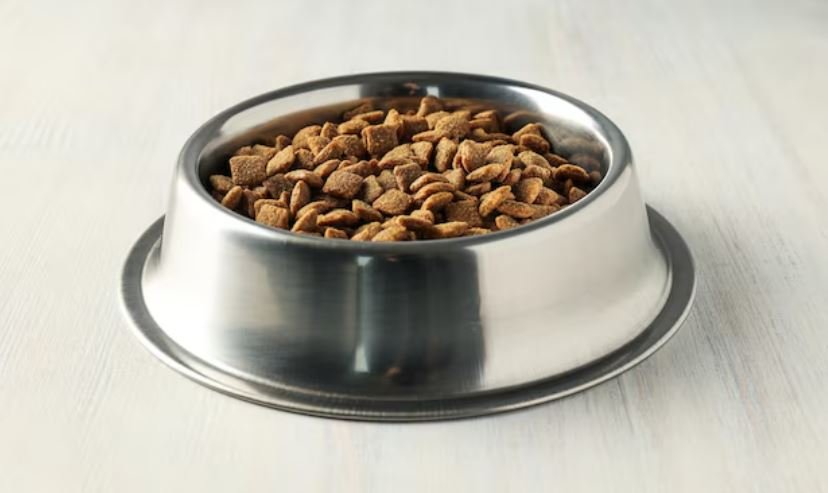
Because pet owners believe they are providing their animals with a more natural diet, the raw pet food market has been steadily expanding for years. It’s not an irrational instinct. However, the risks associated with raw meat differ from those associated with kibble. The allure of “raw” and “natural” may make the contamination risk seem illogical, as though it belongs in the realm of factory-processed food rather than artisan frozen patties. It doesn’t. Salmonella does not distinguish between the two.
The question of who is truly at risk is what makes dog food salmonella so complicated. Lethargy, bloody diarrhea, vomiting, and fever are common signs of a bacterial infection in dogs, but some infected animals carry and shed the bacteria without showing any symptoms at all. Dogs fed Salmonella-contaminated food can excrete the bacteria in their saliva and feces for up to seven days, according to research.
That is a significant transmission window for a dog that greets people at the door. Children, the elderly, pregnant women, and anyone with a weakened immune system are the most vulnerable to handling contaminated pet food; these individuals also rank highest on all food safety risk lists.
The part that most people don’t give enough thought to is handling pet food. All of those contact points, such as scooping frozen raw food into a bowl, washing the bag, and placing it on the counter, can leave behind bacteria that are not readily apparent.
The FDA’s recommendations are clear: keep raw pet food apart from human food, store it frozen or chilled until needed, sanitize bowls and surfaces, and wash hands well with soap and water after contact. It’s difficult to ignore how much that resembles the instructions for handling raw chicken at supper. The analogy is appropriate since, in terms of biology, the circumstances are almost identical.
Lot B-5 on the 2-pound bag and Lot B-19 on the 6-pound bag are the impacted lots if you have Northwest Naturals products at home. Both were offered for sale in retail establishments all over the nation and have best-by dates of January 2028. Customers are urged to stop using the product and send it back for a complete refund.
It’s worthwhile to consider the larger pattern here. Recalls are occurring more frequently, or at the very least, becoming more apparent. Compared to cooked or processed alternatives, the raw pet food segment appears to produce a disproportionate number of contamination alerts, despite still making up a small portion of the overall market.
That could be structural—it’s just more difficult to keep raw meat free of pathogens—or it could be a reflection of the limitations of testing frequency in a developing sector. It’s still unclear if the increased number of recalls is due to better surveillance or if the issue is actually getting worse. In either case, it takes roughly fifteen seconds to verify the lot number on the freezer bag. It seems worthwhile.
