

For many years, the Belgian Federal Agency for the Safety of the Food Chain has monitored salmonella infection. The statement that “salmonella is relatively common in Belgium” originated with one of its representatives. With at least 306 confirmed infections and a recall that, even after being issued twice, might not have caught every contaminated egg, what transpired at a farm in Geel, Antwerp Province, over the past year is unlike anything the nation has ever seen from a single identified source.
Laerco BV is in charge of running the farm. Salmonella was initially discovered by authorities. Enteritidis there in late April, and by May the agency had pulled eggs from the particular henhouse where contamination was verified as part of its initial recall. This is a common and typically successful response. With one shed on a four-shed operation, it was assumed that the issue was confined. That presumption proved to be incorrect. When investigators returned in June and July, they discovered that the infection had migrated to a second henhouse as fresh cases continued to come in. On August 10, the entire plant was closed. There was a second recall. They killed the chickens.
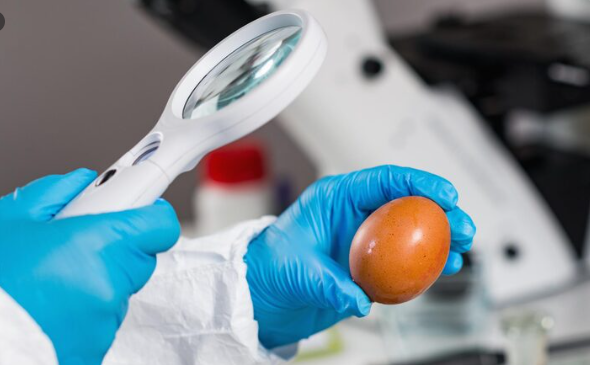
The outbreak had been going on for over a year by the time the second recall was issued. February 2025 is when the sickness was first confirmed. People as young as one year old and as elderly as ninety-six have been recorded to have cases. The only obvious bright spot in an otherwise gloomy situation is that no deaths have been confirmed. The majority of minor cases of salmonellosis go misdiagnosed since the symptoms go away on their own and the patient never sees a doctor or gets tested, thus the 306 figure most likely underestimates the actual number of infections. Only those who are ill enough to seek medical attention and lucky enough to have a sample sent for laboratory analysis fall into this category.
The numbers in Belgium do not accurately reflect the extent of the contamination. The eggs were supplied to the majority of Belgium’s food market through Colruyt, Delhaize, Aldi, and Carrefour, the country’s biggest supermarket chains. They transcended national boundaries as well. Luxembourg issued a recall of its own. Food safety authorities in the Netherlands, France, Italy, Portugal, and a number of other European nations that might have received shipments were informed by AFSCA. RASFF, the European food safety quick alert system, was turned on. This network may have sold up to 2 million eggs, some of which are most likely still in refrigerators.
The eggs themselves bear the recall codes 2-BE-1073-01, 2-BE-1073-02, 2-BE-1073-03, and 2-BE-1073-04, which buyers must verify. The latest affected date for eggs to reach a refrigerator is roughly September 4 because eggs must be supplied to customers within 28 days of laying. This indicates that the recall timeframe is longer than the announcement date of August 10. If you recently purchased eggs from supermarkets in Belgium or Luxembourg and haven’t checked each egg’s stamp, you should do so right now.
The good news is straightforward and useful: boiling the eggs greatly lowers the danger of infection. At the right cooking temperatures, Salmonella Enteritidis is eliminated since it is heat-sensitive. Soft-boiled eggs, homemade mayonnaise, some custards, and desserts are among the raw or undercooked foods that carry the most risk. Exposure may have been lower than the case count indicates for the majority of those who cooked their eggs normally. Even so, it’s difficult to ignore the fact that this outbreak continued to spread for months after the first recall was meant to contain it. The food safety community will probably take some time to look at that gap between initial action and real containment.
