
When you walk through a Walmart or Whole Foods and notice that the refrigerated shelves where the pico de gallo used to be are suddenly empty and have a small handwritten note taped in its place, it can be a little unsettling. Since Taylor Fresh Foods announced a voluntary recall of about 20 ready-to-eat products containing fresh jalapeño peppers in early August 2026, that has been the situation in parts of 26 states. Federal investigators have identified a single grower in Sinaloa, Mexico, as the culprit.
The recall started on August 9th because Taylor Farms’ supplier, Coast Citrus Distributors, had already stopped selling fresh jalapeños because of possible salmonella contamination. Taylor Fresh Foods was forced to follow after that domino fell.
These same peppers were used in their final products, which included burritos, dips, salsas, guacamoles, and spicy sandwiches. Walmart, Target, Kroger, Whole Foods, Trader Joe’s, Stop and Shop, and Hannaford are among the stores where the majority of Americans shop on a weekly basis. Affected products have “Best If Used By” dates through August 16, 2026.
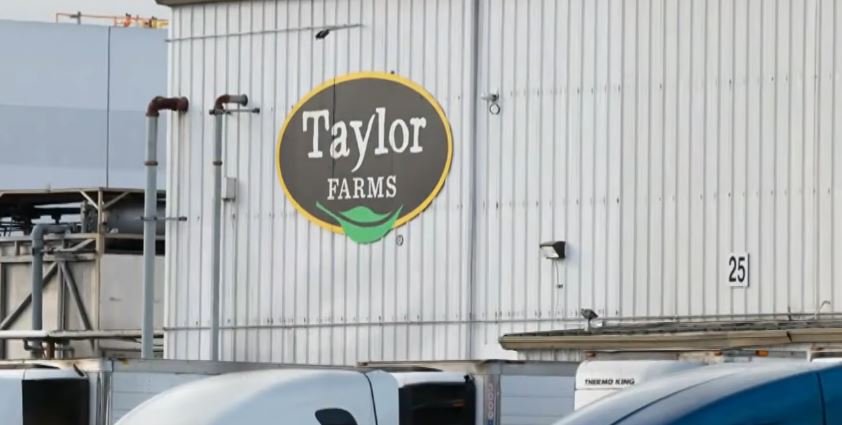
A wide and somewhat unexpected variety of products are included in the Taylor Farms salmonella recall connected to jalapeños. It goes beyond salsa. Kroger offers a Spicy Roast Beef Sandwich; Trader Joe’s offers a Fiesta Style Salad Shrimp; Target offers a taco dip; and Hannaford offers a Rice and Bean Burrito. The complete list makes it evident how many common grab-and-go items—which most consumers never give much thought to—depend on fresh pepper supply chains. This invisibility contributes to the disorienting nature of memories like this one.
Although salmonella is not a recent threat to the American food supply, it’s important to understand what the illness entails. After eating tainted food, infection usually appears 12 to 72 hours later. Fever, diarrhea, nausea, vomiting, and cramping in the stomach can all be severe enough to necessitate hospitalization, especially in young children, the elderly, and those with weakened immune systems. In less common and more severe instances, the bacteria may enter the bloodstream and result in diseases like endocarditis or arterial infections. Thus far, the FDA has connected this specific outbreak to 345 confirmed cases of salmonella across the country.
As of the recall announcement, Taylor Farms publicly declared that it was not aware of any illnesses that were directly connected to any of its particular products that contained the recalled jalapeños. The fact that the contamination seems to start upstream, at the farm level in Sinaloa, is a significant distinction. Even so, the company’s name is now linked to a multi-state recall at a time when it cannot afford the publicity. A few weeks prior, Taylor Farms was already dealing with a different and much bigger problem: a cyclospora outbreak connected to its iceberg lettuce, which was also imported from Mexico. This outbreak had sickened over 22,000 people and was connected to at least two deaths in Michigan.
Here, it’s difficult to ignore the pattern emerging. Two distinct pathogens, two distinct products, and two distinct sourcing crises were linked to produce that was grown in Mexico and supplied by Taylor Farms. Walmart, Costco, Target, McDonald’s, and Taco Bell are among its clients, and the company supplies about 40% of all salad kits sold in the US. That scale is truly amazing. Additionally, it’s the kind of scale that, in a matter of days, transforms a localized contamination issue into a national story.
To its credit, Taylor Farms acted swiftly after the Coast Citrus recall was made public, ceasing to source from the Sinaloa grower involved and attempting to fulfilll orders through other vendors. A consumer hotline was established by the company, and impacted customers were instructed to return items for a refund. The question of whether those actions are sufficient to rebuild public trust is a different one, and it is likely that it won’t be resolved until the FDA has finished its current investigation.
For the time being, the most obvious recommendation is simple: discard any jalapeños-containing Taylor Farms product that has a “Best If Used By” date of August 16, 2026 or earlier. To check if it tastes off, don’t eat it first. That is not how salmonella makes its presence known. If there is any uncertainty, you can get a refund at the point of purchase by comparing the UPC numbers to the recall list. The risk is not worth a container of guacamole.
