

This recall bothers me in some way. The official explanation for the removal of nearly 30,000 pounds of raw beef from shelves in early August is that a form was overlooked. The beef was imported from Argentina and distributed to retailers in Florida and Texas. No contaminant was identified. No illness has been confirmed. The shipment is simply labeled as belonging to the highest risk category that the USDA assigns.
It’s worth taking a moment to consider the tension between the harshness of the designation and the dull bureaucratic language.
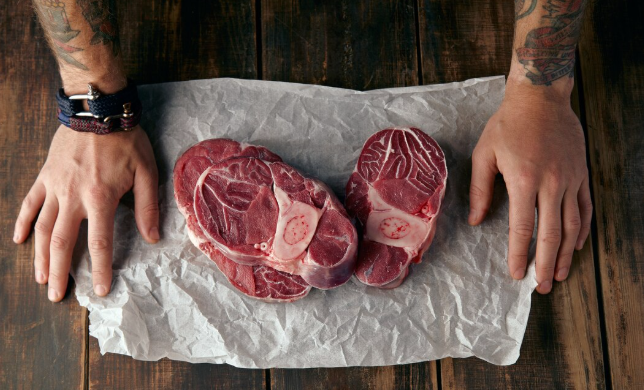
On August 7, the USDA’s Food Safety and Inspection Service declared that Aventura, Florida-based Corte Argentino USA LLC was recalling about 29,628 pounds of raw beef products. The cuts, which had use-or-freeze dates extending into mid-September, were produced between May 15 and May 20 and included top sirloin butt, eye round, topside, flat, and knuckle. They were imported without undergoing the necessary import reinspection in the United States. In any case, that is the issue on paper.
The Class I classification is a source of concern for food safety experts. The USDA reserves that label for circumstances where there is a plausible chance that ingesting the product will result in fatalities or major health problems. For a paperwork gap, that is strong language. And it’s the kind of contradiction that proponents of food safety see right away.
This discrepancy was highlighted by Dr. Darin Detwiler, a food policy specialist who has spent years monitoring the public’s awareness of recalls. According to his interpretation, designating the highest risk tier while labeling it a bureaucratic oversight sends a mixed message. The Class I designation is either being applied widely out of caution because the safety of the beef simply cannot be confirmed, or the agency believes there is a real problem with the product. Neither response is very comforting.
Which particular retailers sold the product is still unknown. The business refrained from making a public response. Customers in Florida and Texas who may have recently bought beef cuts from an Argentine brand are being advised to discard the item or return it to the retailer. This is helpful advice, but it only works if consumers know what they’re looking for.
The timing of this story makes it more difficult to keep politics out of it. President Trump announced through Truth Social a plan to allow up to 300,000 pounds of foreign beef into the U.S. market over 90 days at prices about 25% lower than current domestic rates, just days before the recall gained widespread attention. One of the intended sources was Argentina. The announcement was presented as a way for American consumers to save money. Then the headlines about the recall appeared.
The announcement of an import expansion was followed almost immediately by a high-profile recall of Argentine beef that had already been imported, creating a story that was bound to turn political. James Talarico, a Democrat running for the U.S. Senate, moved swiftly to criticize the larger import plan for favoring foreign producers over domestic ones. The recall has not been specifically addressed by the White House.
Observing all of this, it seems as though the U.S. food supply debate is moving in two different directions that hardly ever come together. The technical, procedure-focused realm of import reinspection schedules and establishment numbers is one track. The other is the political sphere, where imports of beef are used as a stand-in for more significant debates concerning trade, consumer safety, and the industries that the government is defending.
This recall is positioned awkwardly between the two. According to USDA, the issue was found during routine inspections. There have been no reports of illnesses. The good news is that the system detected a problem before anyone became ill, which is essentially what it is meant to do.
However, the question remains unanswered: why the highest risk classification if no contaminant was found and no illness developed? It’s not a cynical question. It makes sense. Furthermore, the lack of a definitive response from the agency, the business, or anyone else in a position to know creates a void that is already being filled by conjecture.
The practical advice is straightforward for the time being. Examine your freezer. For the complete product list and establishment number, visit the USDA’s FSIS recall page if you recently bought raw beef cuts with Argentine labeling in Texas or Florida. Don’t eat it if you’re unsure.
However, the larger narrative is still evolving.
